
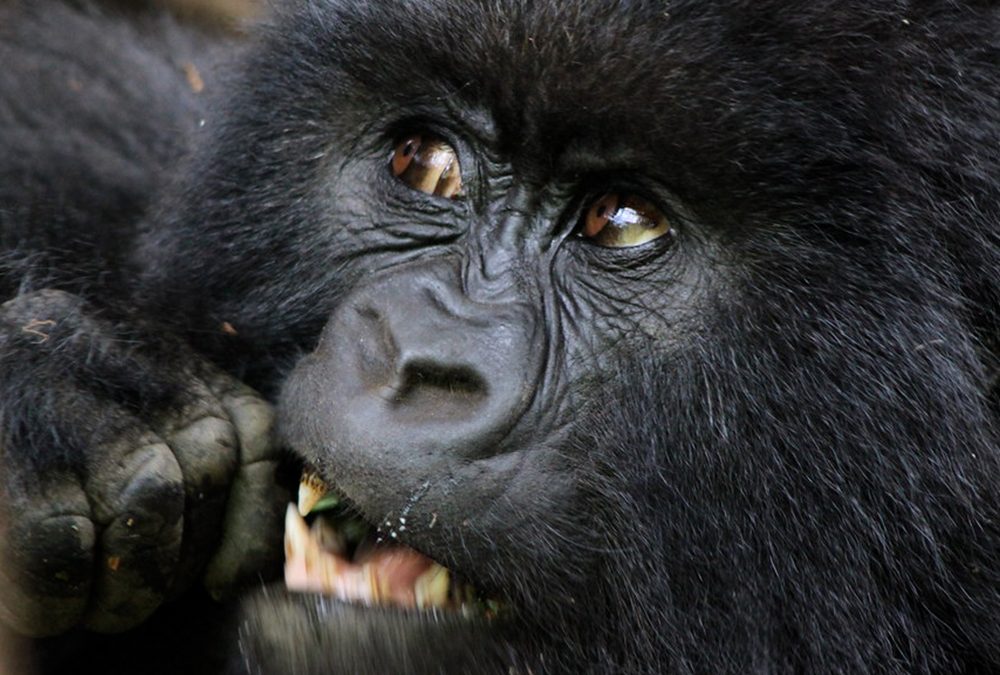
How does Gorilla trekking benefit conservation? – Does gorilla trekking help conservation? – How gorilla trekking support conservation?
How does Gorilla trekking benefit conservation? – By providing cash for protection measures and increasing public awareness of endangered Mountain Gorillas, Gorilla trekking is an essential eco-adventure that supports conservation efforts and their natural habitat have been preserved thanks to this exceptional wildlife encounter.
A novel kind of tourism Mountain Gorilla trekking has arisen in the midst of this unstable environment, offering the great apes of Africa never before seen hope. Through this special kind of eco-adventure, visitors may see the endangered Mountain Gorillas in their natural environment. It is becoming an essential component of conservation initiatives. Using in-depth data and professional opinions, we examine how Gorilla trekking aids in conservation in this piece.
One of the most important sources of income for conservation initiatives is Mountain Gorilla trekking. In these treks, tourists must pay for Gorilla permits, and the money collected from these fees goes directly toward funding different conservation initiatives. Gorilla permits are USD1500 per person per trek in Rwanda, USD800 per person per trek in Uganda and USD400 per person per trek in the Democratic Republic of the Congo. Because of the increasing demand for this unique experience and the strong commitment to sustainable practices that supports it, the value of these licenses has increased over time.
Mountain Gorilla trekking permits aid in funding the hiring, education, and deployment of wildlife rangers who patrol Gorilla habitats in an effort to prevent poaching and other unlawful activities. Protecting the Mountain Gorillas from poachers who aim to kill them for bushmeat, lucrative body parts, or the illicit pet trade requires these patrols.
Gorilla trekking profits help reforest forests, instruct and inspire communities to manage land sustainably, and prevent human encroachment on ecosystems. Gorillas may flourish in a safe and healthy environment as a result.
Primatologists who keep an eye on Gorilla families to make sure their behavior and general health are closely monitored are supported in part by Gorilla permit payments. Regular health examinations, illness surveillance, and Gorilla ecological study are all part of this monitoring. Conservationists can adjust Gorilla conservation tactics as needed thanks to this research, which helps them better understand the requirements of Gorillas.
A percentage of the money made from gorilla trekking is frequently used toward initiatives that help the local population that lives close to Gorilla habitats. This might involve initiatives in broad community services including infrastructure development, healthcare, education, and water supply systems. Revenue sharing from Gorilla trekking promotes community involvement in conservation efforts and builds goodwill.
Without a doubt, a long-term financing source for these Gorilla trekking-related initiatives is crucial to guaranteeing the continued existence of Mountain Gorillas and their ecosystems. Additionally, it deters destructive practices like poaching and provides financial incentives for nearby populations to preserve Gorilla habitat.
- Minimum age:
Trekkers must be at least 15 years old to participate. Children under the age of fifteen should not engage with huge, frightening creatures like Gorillas in order to reduce their stress levels. Such interactions may be too stressful for young children, who may unintentionally transfer that tension to the Gorillas.
- Health checks:
To make sure they don’t have any infectious diseases that may endanger the Gorillas, trekkers may get health examinations. In order to stop illnesses that may wipe out Gorilla populations, this is an essential step.
- Code of conduct:
Trekkers get instruction on how to behave near Gorillas, including how to avoid making loud noises, making unexpected movements, and making direct eye contact. These rules aid in avoiding any behavior that can startle or agitate the Gorillas.
Gorilla safaris must adhere to these rules in order to continue being a sustainable and ethical activity that helps the Gorillas and the communities that live alongside them.
- Revenue-sharing programs:
To further encourage local involvement in conservation, a portion of the money made from gorilla trekking may be earmarked for community development initiatives. This can improve local communities’ quality of life by funding infrastructure upgrades, healthcare facilities, and schools.
By actively engaging local populations in these primate conservation efforts, Gorilla trekking fosters a feeling of pride and responsibility in them. This strategy establishes a sustainable framework that benefits local residents as well as animals. For villages who previously relied on destructive activities like gathering firewood or capturing animals in the forest, community tourism provides a workable substitute. The International Gorilla Conservation Program (IGCP) and the Karisoke Research Center, for instance, have created a number of conservation initiatives for the gorillas’ neighbors and other species.